

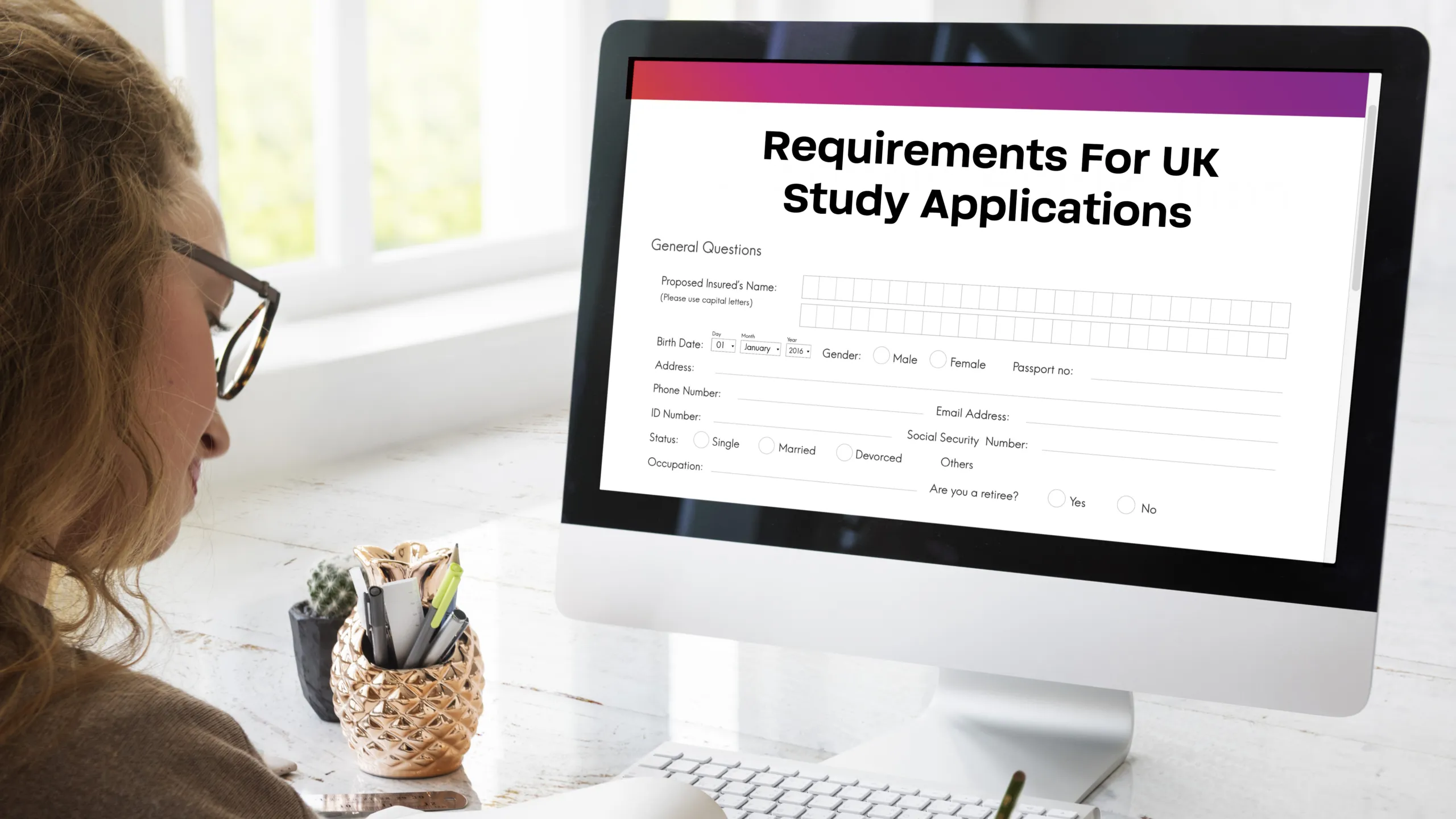
Studying in the UK is a dream for a lot of students. The country offers the best universities, modern learning environments, and many career opportunities. But before you plan your academic journey, you must understand the complete requirements for UK study applications. Having the right documents and knowing each step will make your application smooth and successful.
Easy to Understand Guide for UK Study Applications
Here is an easy guide that covers everything you need:
Choose your Course and University
The first requirement is deciding what you want to study and where you want to study. You must choose:
- The degree level
- Your preferred subject
- The university that fits your goals
Most UK universities allow students to apply through UCAS for undergraduate courses and directly on their website for postgraduate programs. Before applying, research course modules, entry requirements, tuition fees and available scholarships.
Academic Qualification
One of the most important requirements is your previous academic record. UK universities check:
- High school certificates
- Bachelor’s degree transcripts
- Grades or GPA
- Subject studies in the last education
Make sure your documents are complete.
English Language Requirements
Since most UK courses are taught in English, you must prove that you can understand and communicate well. All universities accept many English tests, including:
- IELTS Academic
- Academic
- TOEFL Ibt
- Duolingo English test (accepted by many universities)
- OET (mainly for healthcare courses)
The required score depends on the university and program. Most universities ask for:
- Undergraduate: 5.5-6.5 overall
- Postgraduate: 6.0-7.0 overall
Some universities may ignore the test if you studied in an English-medium school.
Personal Statement
A personal statement is a key part of your UK application. It reflects your personality, motivation, and passion for the subject. It should include:
- Why did you choose the course
- Why do you want to study in the UK
- Your achievements and skills
- Your future career goals
Keep it focused, honest, and well-structured.
Letters of Recommendation
Most UK universities require one or two recommendation letters from teachers. These letters should mention:
- Your academic performance
- Your character and work ethic
- Any special strengths and talents
Choose someone who knows you well and can give a positive reference.
Passport and Identity Documents
You must have a valid passport to apply for studies in the UK. Make sure:
- You have at least 6 months of validity
- Your passport has not expired
- Your name matches your academic documents
Many universities may also ask for additional identification for verification.
Financial Proof
To get a UK study visa, you must show that you can financially support your education. This includes proof of:
- Sponsor letters
- Bank statements from the last 28 days
- Tuition fee payment or deposit
- Scholarship letters (if awarded)
The UK government requires students to show enough funds for tuition and living expenses.
CAS Letter from the University
Once you receive an offer and fulfil all conditions, the university issues a CAS (Confirmation of Acceptance for Studies). This is an electronic document that includes:
- Unique CAS number
- Tuition information
- Your personal details
- Course information
You need this CAS number to apply for your student visa.
UK Student Visa Requirements
A simple UK student visa guide for Pakistani students to help you understand the steps, requirements, and process easily. After receiving your CAS, you can apply for the UK Student Visa. The requirements include:
- A valid passport
- CAS number
- Tuberculosis (TB) test results (for some countries)
- Financial evidence
- English language proof immigration Health Surcharge (HIS) payment
The visa allows you to study in the UK and work part-time.
Application Fee
Depending on your course and university, you may need to pay an:
- Application fee for some universities
- Visa fee
- HIS (health insurance) charges
Keep track of costs to avoid delays.
Interview (For Some Courses)
Some universities conduct interviews, especially for:
- Law
- Medicine
- MBA
- Dentistry
- Special scholarships
Interviews can be online or in person, and they test the student’s confidence, knowledge of the course and communication skills.
Final Thoughts
Applying to study in the UK becomes much easier when you understand the complete requirements. From academic documents and English proficiency to personal statements, visas, and financial proof, each step plays a vital role in securing a place.
Preparing everything early increases your chances of receiving an offer from your dream university. If you follow this simple guide and stay organised, your journey to studying in the UK will be smooth and successful.
Read More Content